
Kast Wins Runoff and Will Serve as President Until 2030
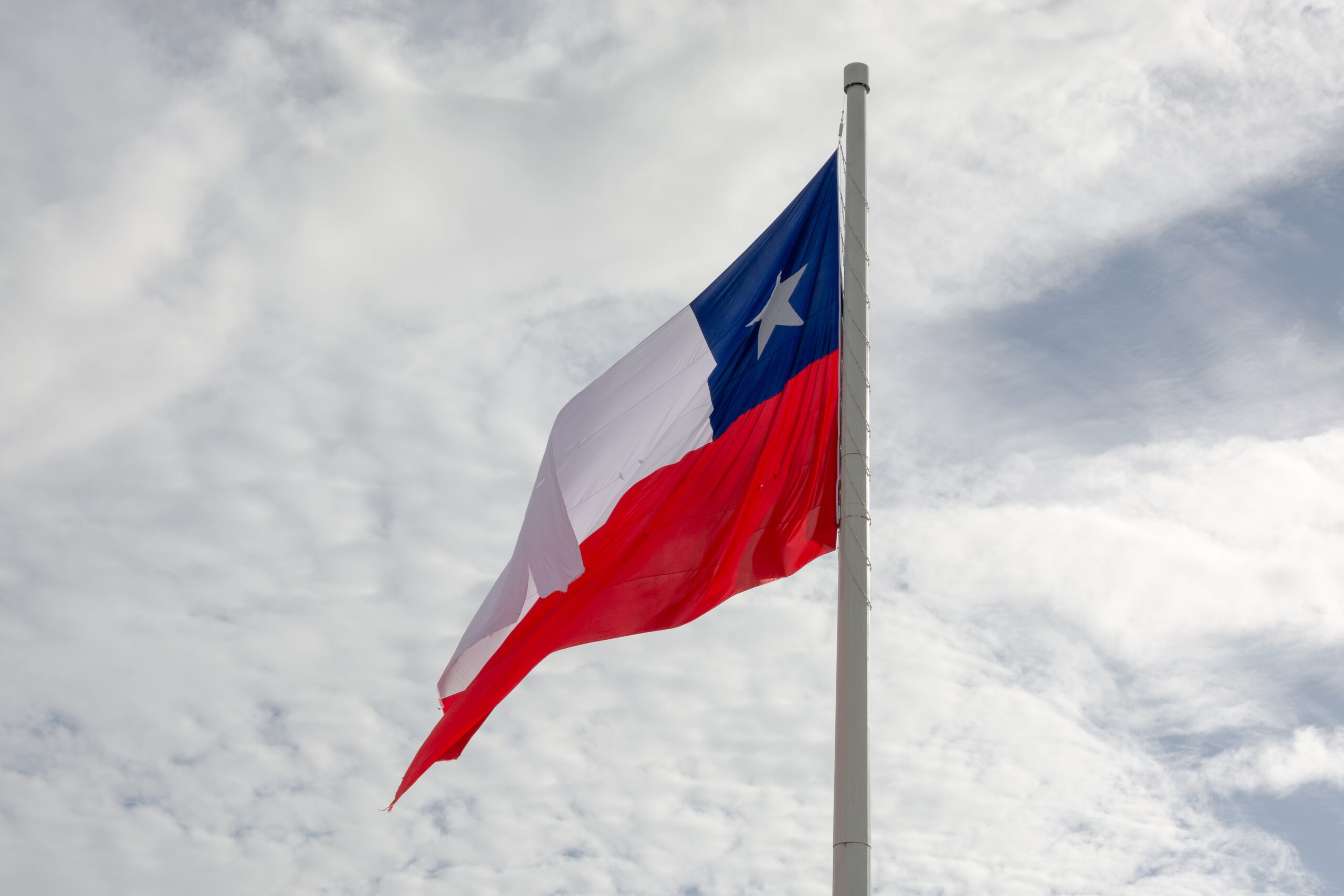
José Antonio Kast was elected president of Chile this Sunday after winning 58.16% of the vote in the second round of the election. The Republican Party candidate defeated Jeannette Jara of the Unity for Chile coalition, who received 41.84%. The president-elect will take office on March 11, 2026, coinciding with the inauguration of the new Congress elected in the legislative elections held on November 16.
Voter turnout reached 85.06% in a context of mandatory voting. The wide margin of nearly 20 percentage points between the two candidates provides Kast with a solid base of social legitimacy at the outset of his term.
Between the first and second rounds, Kast significantly expanded his electoral support, rising from approximately 23% to nearly 60% of the vote. At the same time, null and blank votes accounted for 7.1%, a higher level than in previous presidential runoffs, suggesting a degree of distance or dissatisfaction among part of the electorate with the available political options.
Government Agenda 2026–2030

Kast has proposed an agenda focused on controlling irregular migration, economic recovery and growth, and strengthening public security, with a particular emphasis on combating organized crime. His platform also includes reducing state bureaucracy in order to move toward a more efficient government that is attractive to investment.
Key initiatives include regulatory simplification, with an emphasis on streamlining permit approvals—particularly environmental permits; reducing the effective corporate tax rate from 27% to 23%, with additional cuts for companies that hire workers at risk of informality; and modernizing labor legislation to promote greater adaptability and more flexible work arrangements.
In the health sector, the plan calls for the adoption of interoperable and auditable technologies for managing health data, as well as the expansion of telemedicine and home-based care for low-complexity patients.
The New Legislative Landscape
The incoming administration will operate in a Congress where it lacks an outright majority. While right-wing forces hold a relative advantage—falling one seat short of a majority in the Senate and two seats short in the Chamber of Deputies—Kast will need to build agreements to advance his agenda.
In this context, internal cohesion within his political bloc will be crucial. This bloc includes lawmakers from the Republican Party and the Libertarian Party, as well as the ability to align with traditional right-wing parties. In addition, the Party of the People (Partido de la Gente) emerges as a pivotal actor: with 14 seats in the Chamber of Deputies, its stance will be decisive for the viability of the new administration’s main legislative initiatives.
The central challenge for the president-elect will be to translate the strong mandate obtained in the runoff into effective governance, within an institutional environment that will require negotiation, political coordination, and consensus-building.